Can Ekstra Bladet Be Trusted? Bias Analysis, Ownership, and Fact-Checking
Ekstra Bladet Overview and Political Bias
Ekstra Bladet is frequently characterized as a sensationalist tabloid. Critics argue it employs populist rhetoric, particularly regarding immigration and welfare. While supporters highlight its investigative 'watchdog' journalism, detractors often claim the publication prioritizes clickbait and provocative headlines over nuanced reporting, sometimes facing accusations of violating ethical journalistic standards.
| Standpoint | Assessment |
|---|---|
| Overall political leaning | Center |
| Estimated number of readers | 850,000 |
| Israel support | Neutral / Domestic-focused |
| Use of loaded / emotional language | High |
| Target Audience | Mass market |
Ekstra Bladet History
Established in 1904 as a supplement to Politiken, Ekstra Bladet became an independent daily in 1905. It transitioned into a hard-hitting tabloid known for its aggressive investigative reporting and social commentary. In the digital age, it has become Denmark's most-visited news site, maintaining its reputation for controversy and populism.
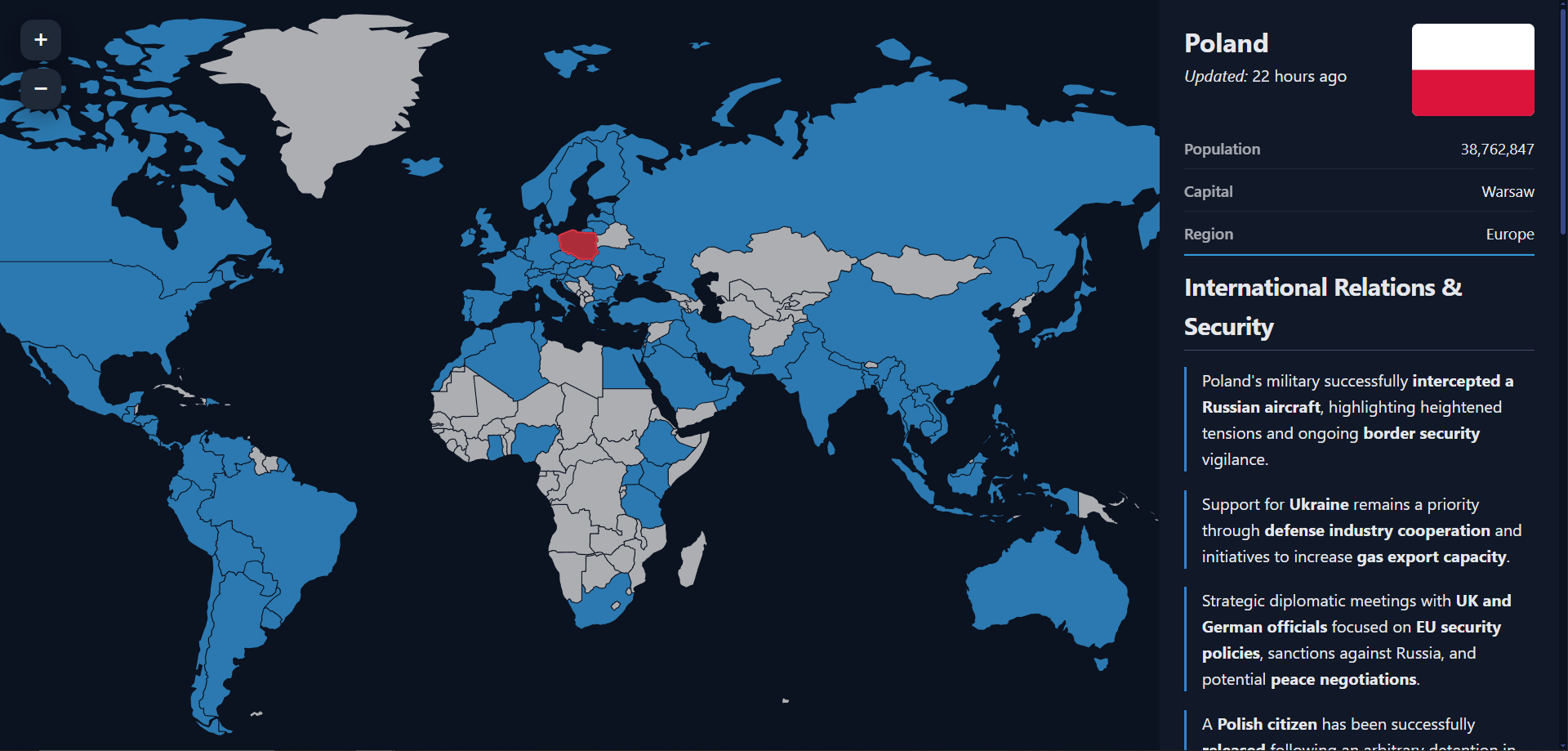
World News Map
Who owns Ekstra Bladet?
Ekstra Bladet is owned by JP/Politikens Hus, a major Danish media group controlled by the Politiken Foundation and the Jyllands-Posten Foundation. The outlet is funded through a mix of print sales, digital subscriptions (Ekstra Bladet+), and significant advertising revenue, benefiting from its position as a high-traffic commercial platform.