Is Financial Times Trustworthy? Media Bias, Fact-Checking, and Reliability Review
Financial Times Overview and Political Bias
Critics often characterize the Financial Times as maintaining a pro-globalization and neoliberal editorial stance. Some observers argue it prioritizes corporate interests over labor concerns, while others praise its internationalist outlook. Its reporting is frequently described as centrist, though its opinion section is noted for hosting a diverse range of economic viewpoints.
| Standpoint | Assessment |
|---|---|
| Overall political leaning | Center Right |
| Estimated number of readers | 1,200,000 |
| Israel support | Neutral / Institutionalist |
| Use of loaded / emotional language | Low |
| Target Audience | Elite / Professionals |
Financial Times History
Founded in 1888 as the London Financial Guide, the publication was renamed the Financial Times shortly after. It adopted its signature pink newsprint in 1893 to distinguish itself from competitors. Over decades, it evolved from a local financial paper into a preeminent global authority on business and international affairs.
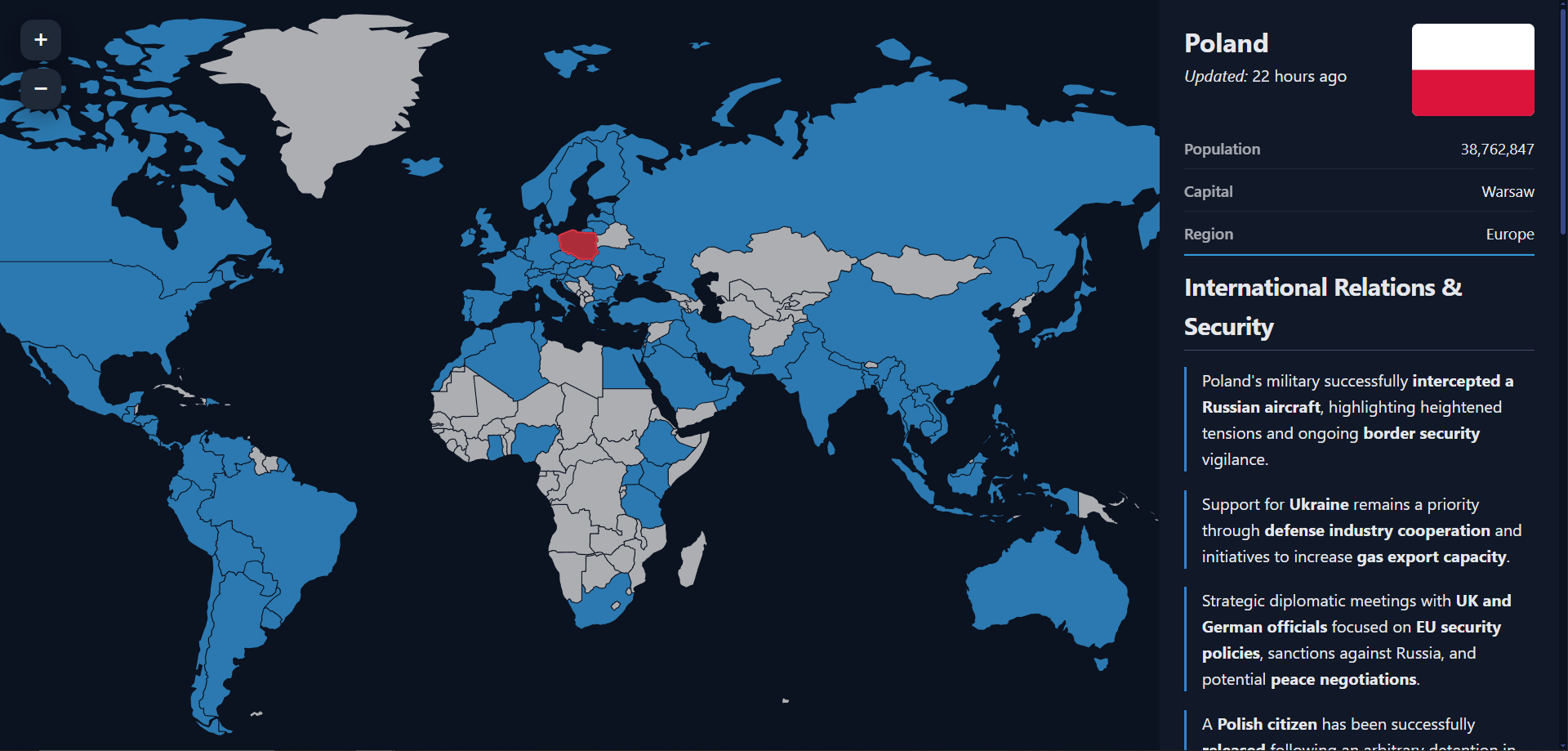
World News Map
Who owns Financial Times?
The Financial Times is owned by Nikkei Inc., a major Japanese media conglomerate that acquired the publication from Pearson PLC in 2015 for £844 million. Its operations are primarily funded through a successful digital subscription model, which accounts for a significant majority of its total circulation and revenue streams.