Is Malaysiakini Fake News or Legit? Bias, Accuracy, and Source Transparency
Malaysiakini Overview and Political Bias
Malaysiakini is often characterized as a reformist platform, with critics alleging a pro-opposition bias and reliance on foreign funding. Conversely, supporters describe it as a crucial independent voice against censorship. Its reporting frequently centers on human rights and government accountability, though detractors claim it prioritizes sensationalist political narratives.
| Standpoint | Assessment |
|---|---|
| Overall political leaning | Center Left |
| Estimated number of readers | 8,000,000 |
| Israel support | Pro-Palestine |
| Use of loaded / emotional language | Medium |
| Target Audience | Urban, Reformist, Activist, and Educated Mass Market |
Malaysiakini History
Established in 1999 by Steven Gan and Premesh Chandran, Malaysiakini launched as Malaysia’s first independent online news portal. It navigated strict media laws by operating digitally, enduring numerous police raids, sedition charges, and high-profile defamation suits while documenting the country's shifting political landscape over more than two decades.
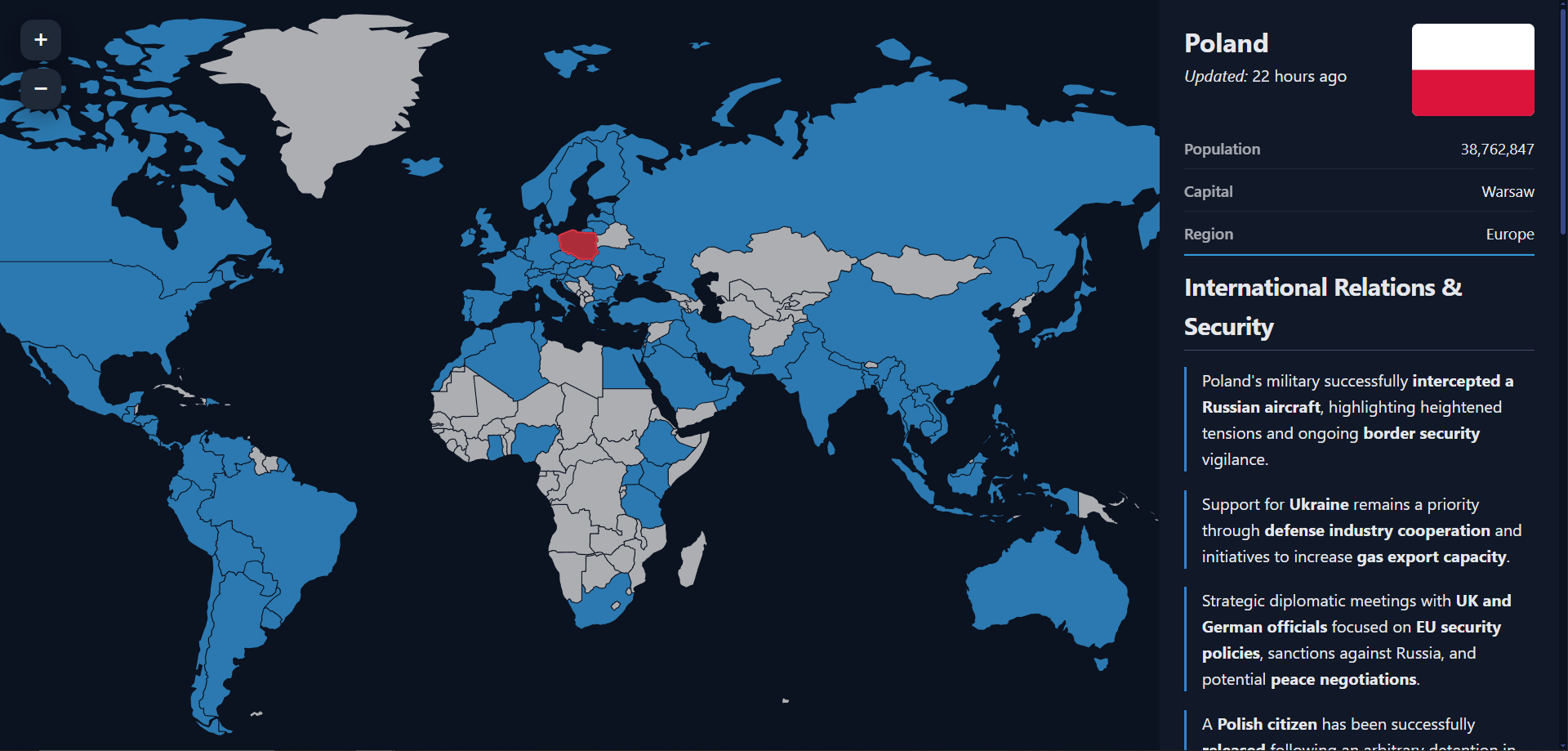
World News Map
Who owns Malaysiakini?
Primarily owned by its founders and staff via Mkini Group, the site pioneered a subscription-based model in Malaysia. It has received investment from the Media Development Investment Fund (MDIF). While it accepts international grants, it maintains that these do not compromise its editorial independence from political parties.