How Accurate Is Rappler? Bias Score, Reliability, and Source Quality
Rappler Overview and Political Bias
Critics often allege Rappler displays a pro-Western bias and has faced accusations from the Duterte administration of spreading "fake news" and violating ownership laws. Conversely, international observers characterize Rappler as a target of state-led judicial harassment, praising its commitment to investigative journalism and its role in defending democratic institutions.
| Standpoint | Assessment |
|---|---|
| Overall political leaning | Center Left |
| Estimated number of readers | 12,000,000 |
| Israel support | Nuanced / Human rights-focused |
| Use of loaded / emotional language | Medium |
| Target Audience | Educated Professionals / Activists / Youth |
Rappler History
Launched in 2012 by Maria Ressa and veteran journalists, Rappler evolved from a Facebook page into a leading Philippine digital news platform. It gained international acclaim for its coverage of government extrajudicial killings, resulting in numerous legal battles and Ressa receiving the 2021 Nobel Peace Prize for her work.
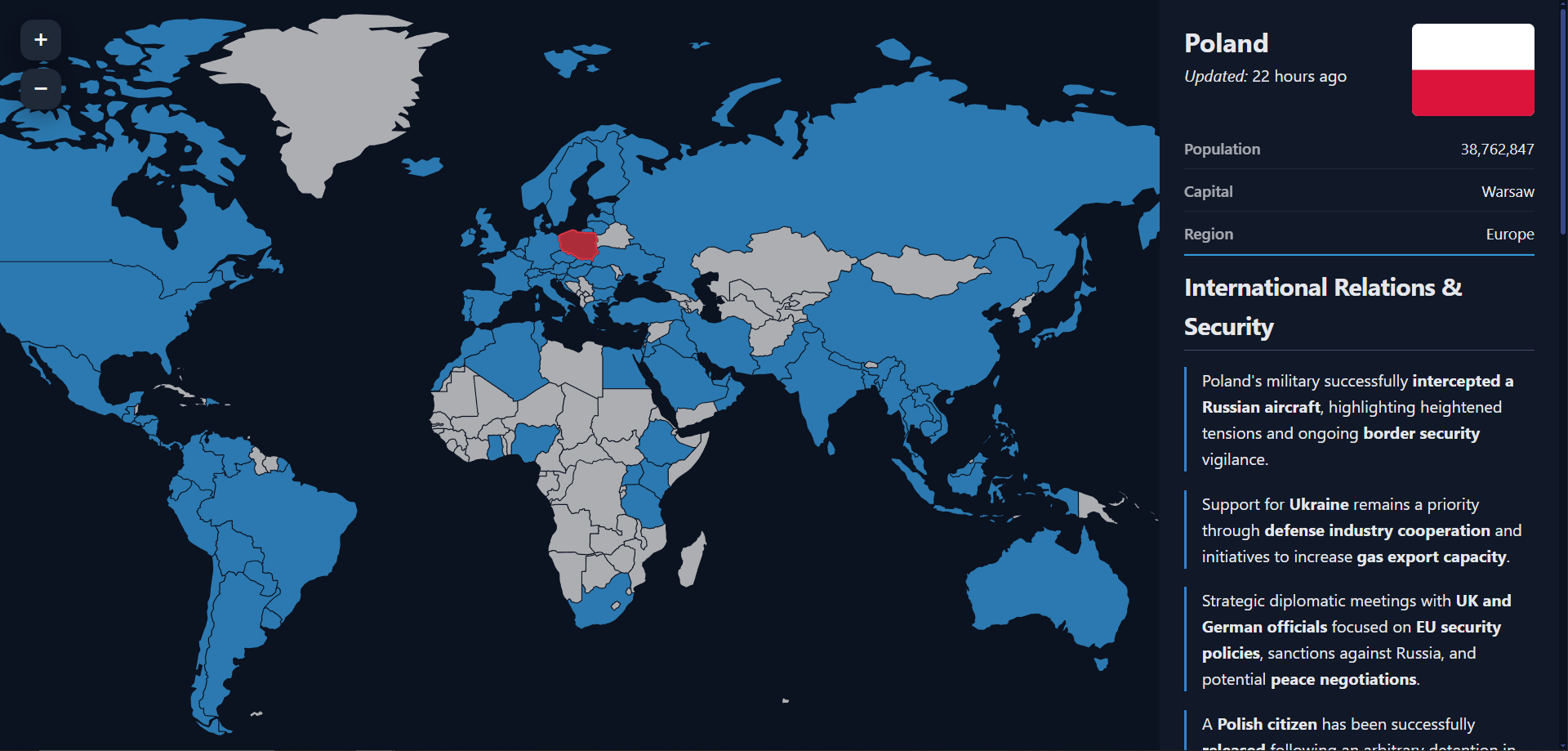
World News Map
Who owns Rappler?
Rappler is owned by Rappler Holdings Corporation, led by Maria Ressa and Filipino co-founders. It initially received investment from North Base Media and Omidyar Network. To address constitutional foreign equity restrictions, Omidyar donated its Philippine Depositary Receipts to Rappler's staff, aiming to preserve the outlet's operational independence.