Is LRT (Lithuanian National Radio and Television) Left-Wing or Right-Wing? Political Bias Explained
LRT (Lithuanian National Radio and Television) Overview and Political Bias
Critics often characterize LRT as maintaining a pro-Western, liberal-internationalist bias that aligns with EU and NATO narratives. Some commentators allege it displays a pro-government tilt, while others suggest its reporting can occasionally marginalize minority perspectives. Nevertheless, it is generally cited as a reliable source of public service journalism.
| Standpoint | Assessment |
|---|---|
| Overall political leaning | Center |
| Estimated number of readers | 1,300,000 |
| Israel support | Neutral / Israel supporter (reflects official state/EU policy) |
| Use of loaded / emotional language | Low |
| Target Audience | Mass market |
LRT (Lithuanian National Radio and Television) History
Established in 1926, LRT began as a radio station in Kaunas. Following decades of Soviet state control, it played a pivotal role in Lithuania's restoration of independence. The 1991 Soviet military assault on the LRT building remains a defining moment in the nation's democratic history and the broadcaster's identity.
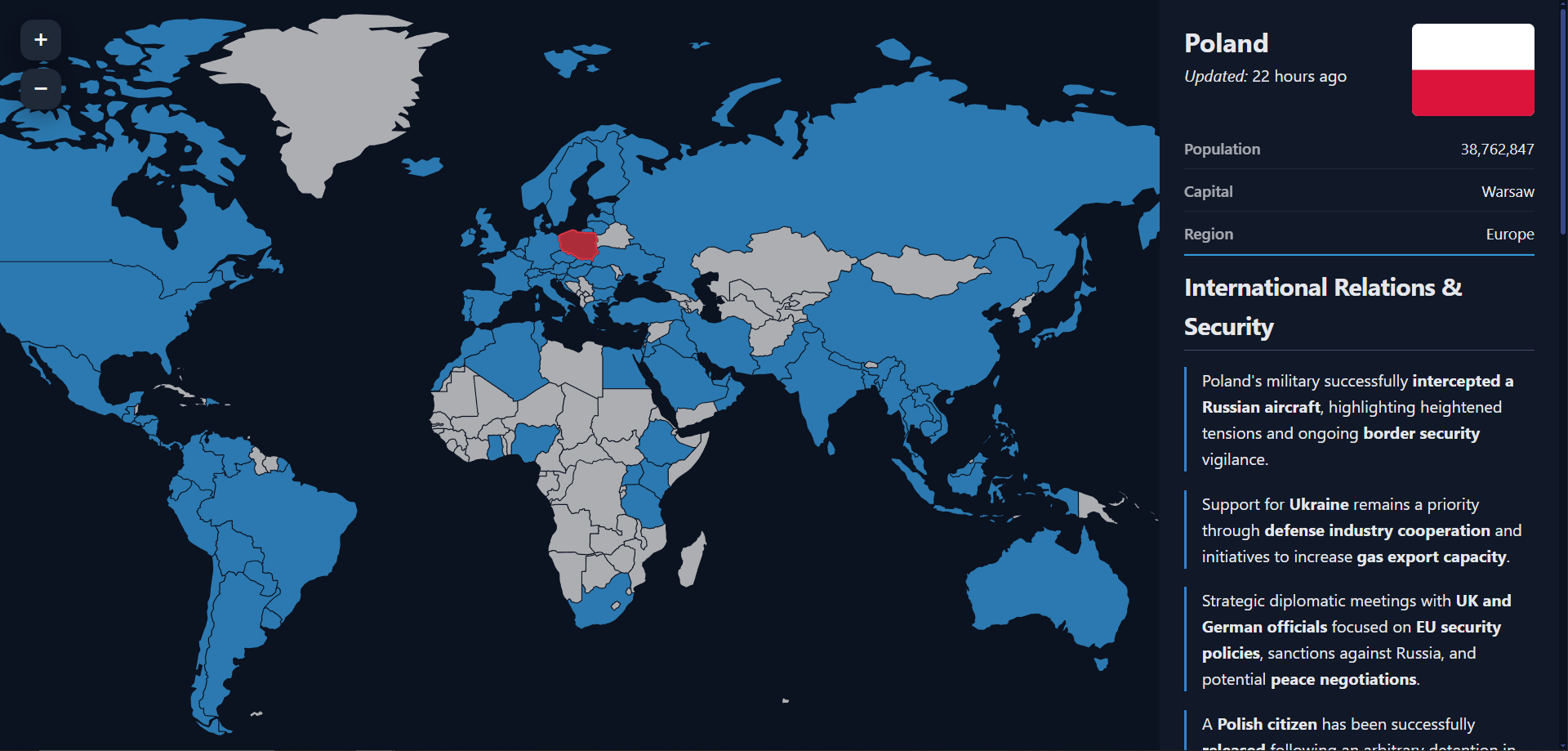
World News Map
Who owns LRT (Lithuanian National Radio and Television)?
LRT is a state-owned public broadcaster funded primarily through a dedicated percentage of income tax and excise duties, ensuring it remains free from commercial advertising. It is governed by the LRT Council, whose members are appointed by the President, Parliament, and civic groups to protect its editorial independence.