Is Respublika a Credible News Source? Bias, Accuracy, and Trust Signals
Respublika Overview and Political Bias
Critics describe Respublika as a platform for nationalist, Eurosceptic, and populist viewpoints. It has faced allegations of promoting conspiracy theories and anti-minority rhetoric, including anti-LGBTQ+ and anti-Semitic sentiments. Observers note its frequent opposition to mainstream Lithuanian political elites and its skeptical stance toward European Union integration and Western liberalism.
| Standpoint | Assessment |
|---|---|
| Overall political leaning | Right |
| Estimated number of readers | 250,000 |
| Israel support | Critical / Nationalist-Isolationist |
| Use of loaded / emotional language | High |
| Target Audience | Partisan / Nationalist / Mass market |
Respublika History
Established in 1989, Respublika emerged as a prominent independent voice during Lithuania's struggle for independence from the Soviet Union. Initially a high-circulation daily, it transitioned through various formats. Over time, its editorial direction shifted toward right-wing populism, leading to its current status as a more niche and controversial digital-focused publication.
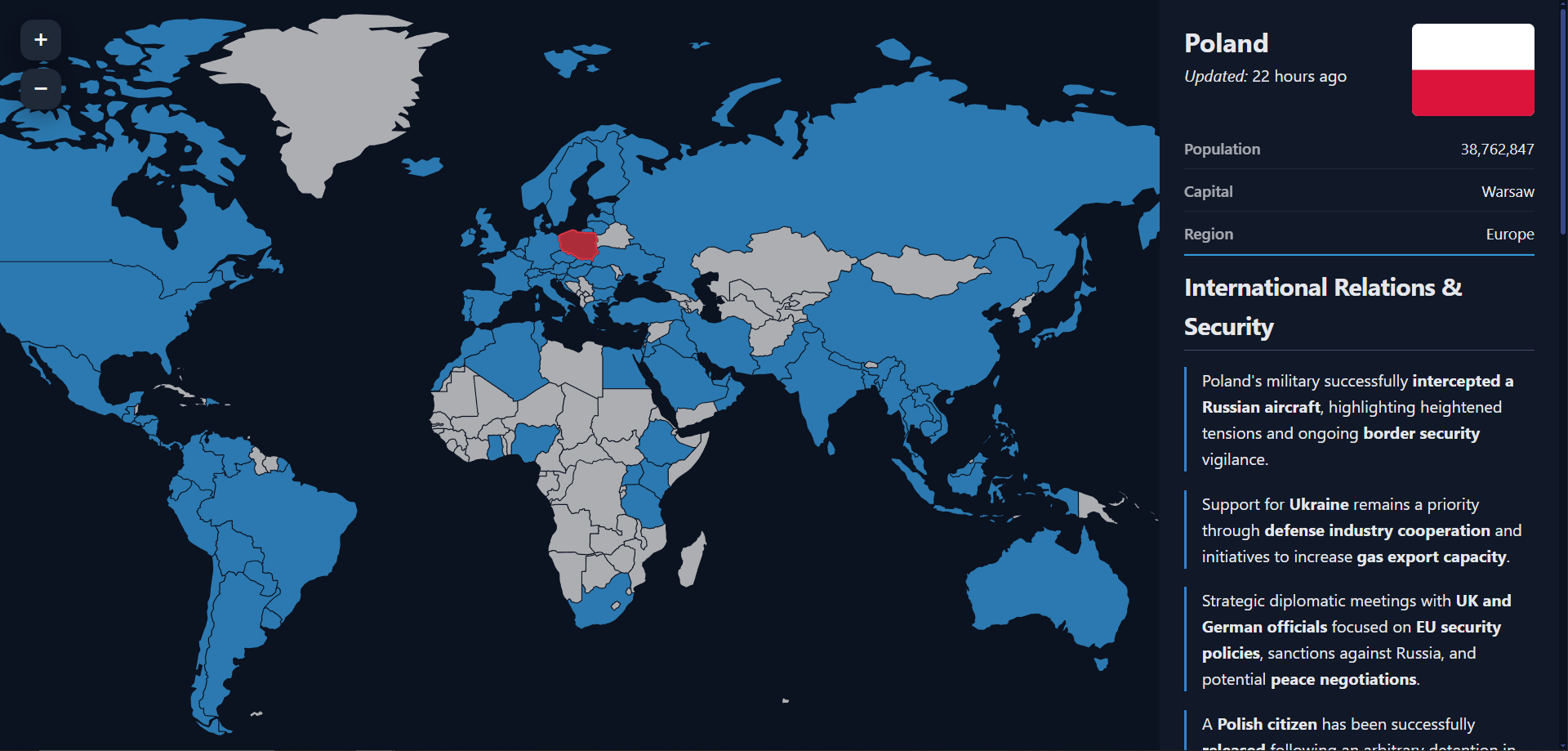
World News Map
Who owns Respublika?
The outlet is owned by the Respublikos leidiniai group, controlled by its long-time editor and businessman Vitas Tomkus. Funding primarily comes from advertising, private capital, and digital subscriptions. The group has faced significant financial pressures and legal challenges over the years, impacting its reach and influence in Lithuania.