Is Público Fake News or Legit? Bias, Accuracy, and Source Transparency
Público Overview and Political Bias
Critics often describe Público as having a progressive, social-liberal bias. Some observers suggest its editorial stance favors European integration and secularism. While praised for investigative rigor, right-leaning commentators sometimes argue it overemphasizes left-leaning social issues, though the paper maintains it provides a platform for diverse intellectual debate.
| Standpoint | Assessment |
|---|---|
| Overall political leaning | Left |
| Estimated number of readers | 5,000,000 |
| Israel support | Generally balanced, frequently critical of settlement policies |
| Use of loaded / emotional language | Low |
| Target Audience | Intellectual elite and urban professionals |
Público History
Founded in 1990 by Vicente Jorge Silva and Sonae, Público emerged as Portugal's first major modern daily newspaper following the Carnation Revolution era. It pioneered digital journalism in Portugal and established a reputation for high-quality cultural coverage and investigative reporting, becoming a cornerstone of the country's post-authoritarian media landscape.
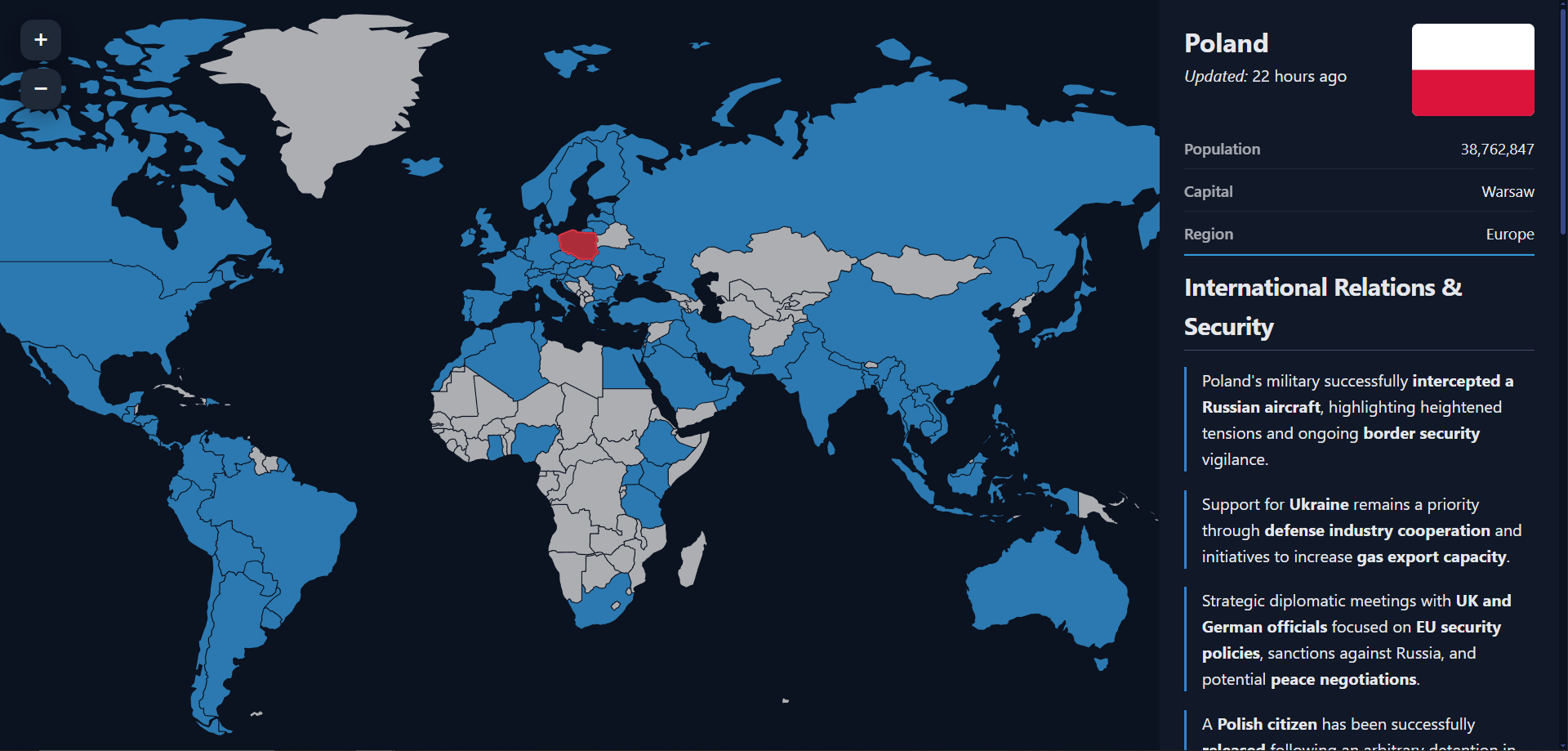
World News Map
Who owns Público?
Público is owned by Sonaecom, a subsidiary of the Sonae Group, one of Portugal's largest private conglomerates with interests in retail, telecommunications, and real estate. Its funding primarily comes from digital and print subscriptions, advertising revenue, and capital investments from its parent company, ensuring its financial stability.