What Is La República's Bias? Political Leaning, Credibility, and Trust Score
La República Overview and Political Bias
La República is often characterized as a center-left publication. Critics argue it exhibits a strong anti-Fujimorista bias and supports progressive social agendas. It frequently highlights human rights concerns and socioeconomic inequality, which some observers suggest leads to a partisan framing of Peruvian political conflicts and institutional crises.
| Standpoint | Assessment |
|---|---|
| Overall political leaning | Center Right |
| Estimated number of readers | 25,000,000 |
| Israel support | Neutral to Pro-Palestine leaning on human rights grounds |
| Use of loaded / emotional language | Medium |
| Target Audience | Mass market / Progressive / Anti-Fujimorista |
La República History
Founded in November 1981 by Gustavo Mohme Llona, the paper emerged as a significant democratic voice in Peru. It gained international recognition for its investigative journalism and firm opposition to the authoritarian government of Alberto Fujimori during the 1990s, cementing its role as a key national daily.
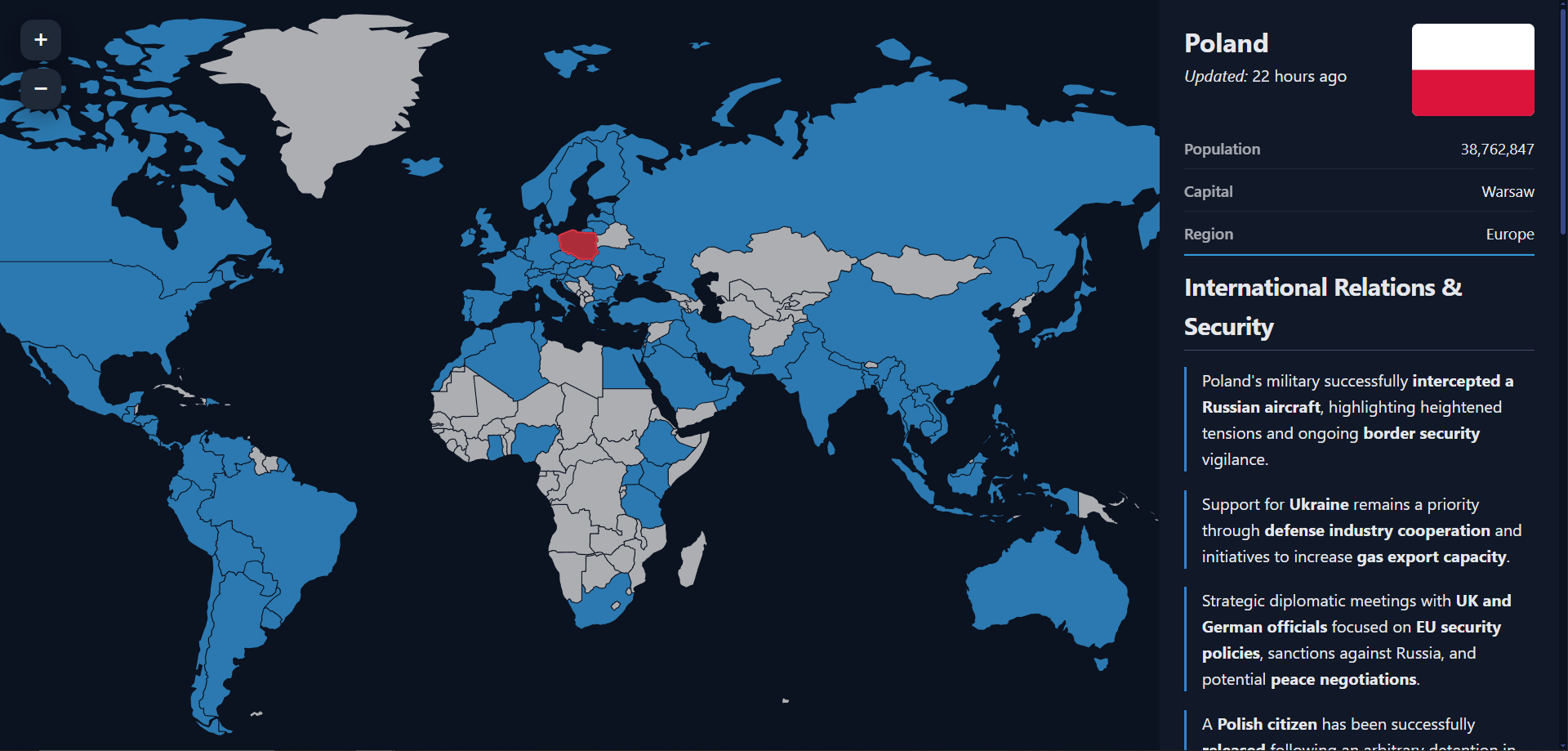
World News Map
Who owns La República?
The outlet is owned by Grupo La República Publicaciones S.A. The Mohme family maintains primary control and management of the company. Its revenue is derived through traditional newspaper sales, digital advertising, and a diversified portfolio that includes other regional publications and digital media platforms across Peru.