Is DIE WELT a Reliable News Source? Bias, Accuracy, and Transparency
DIE WELT Overview and Political Bias
Die Welt is often characterized by center-right, liberal-conservative viewpoints, frequently advocating for free-market economics and strong transatlantic alliances. Critics suggest the publication maintains a skeptical stance toward green energy policies and progressive social reforms. It is described by some observers as a leading voice for bourgeois-conservative discourse in Germany.
| Standpoint | Assessment |
|---|---|
| Overall political leaning | Center Right |
| Estimated number of readers | 23,500,000 |
| Israel support | Strongly Pro-Israel (mandated by Axel Springer corporate principles) |
| Use of loaded / emotional language | Medium |
| Target Audience | Elite / Business / Intellectual conservative |
DIE WELT History
Established in 1946 by British occupation authorities in Hamburg, Die Welt was originally modeled after The Times. Axel Springer acquired the newspaper in 1953, making it a cornerstone of his media empire. Following German reunification, it moved its headquarters to Berlin and pioneered a digital-first editorial strategy in 2012.
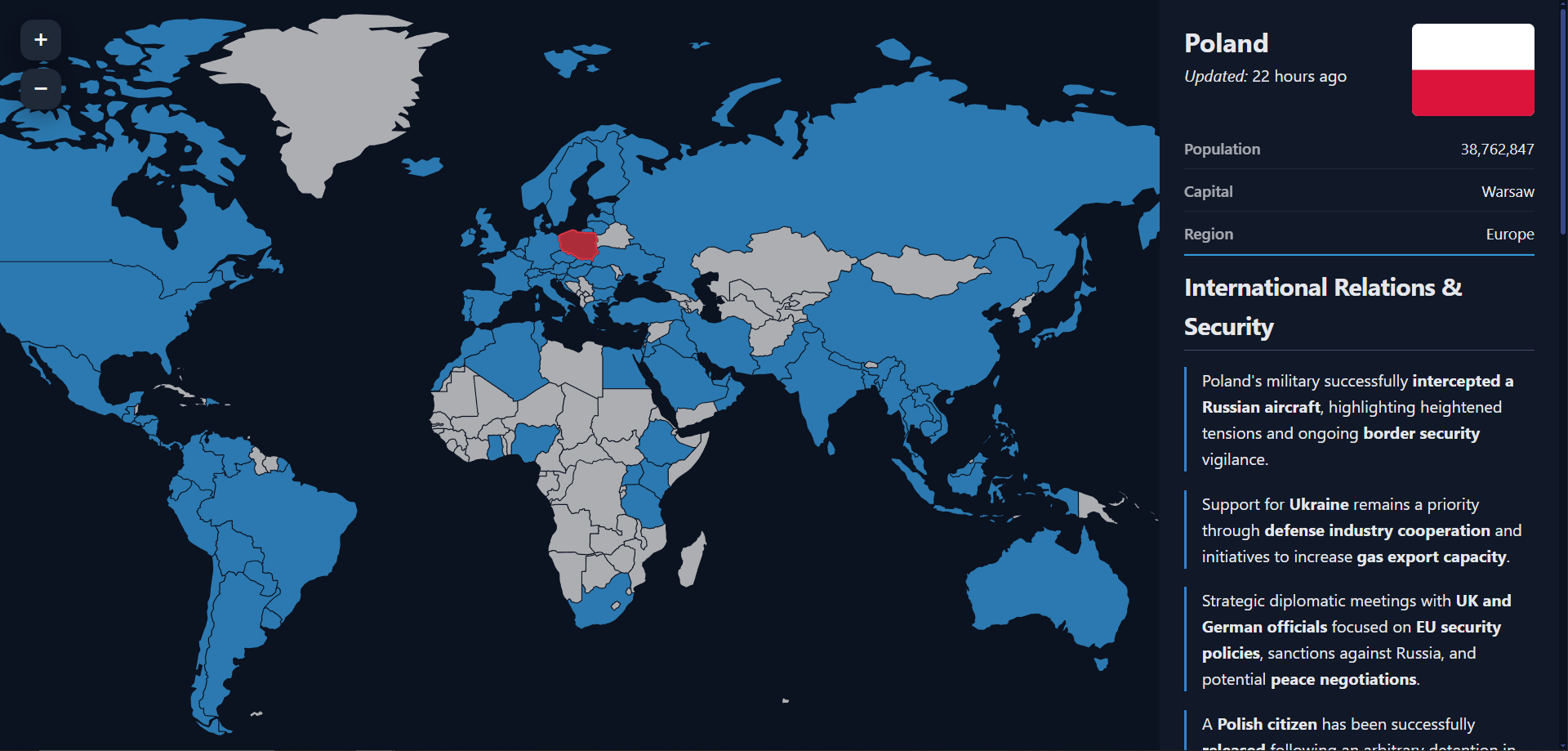
World News Map
Who owns DIE WELT?
Die Welt is a subsidiary of Axel Springer SE, a major European media conglomerate. The company is currently majority-owned by the American private equity firm KKR, alongside major shareholder Friede Springer. Funding is primarily derived from digital subscriptions (Welt+), traditional print circulation, and extensive multi-platform advertising revenue.