Is La República Left-Wing or Right-Wing? Political Bias Explained
La República Overview and Political Bias
La República is often described as maintaining a center-left editorial perspective. Observers highlight its consistent opposition to Fujimorism and its advocacy for human rights. While critics argue the publication displays a bias toward progressive agendas, proponents suggest its reporting focuses on institutional transparency and defending democratic processes in Peru.
| Standpoint | Assessment |
|---|---|
| Overall political leaning | Center Left |
| Estimated number of readers | 45,000,000 |
| Israel support | Neutral / Humanitarian-leaning |
| Use of loaded / emotional language | Medium |
| Target Audience | Mass market / Progressive |
La República History
Founded in 1981 by Gustavo Mohme Llona, La República rose to prominence as a critical voice against corruption. It played a pivotal role during the 1990s by investigating and opposing the authoritarian regime of Alberto Fujimori, cementing its status as one of Peru’s most influential daily newspapers alongside El Comercio.
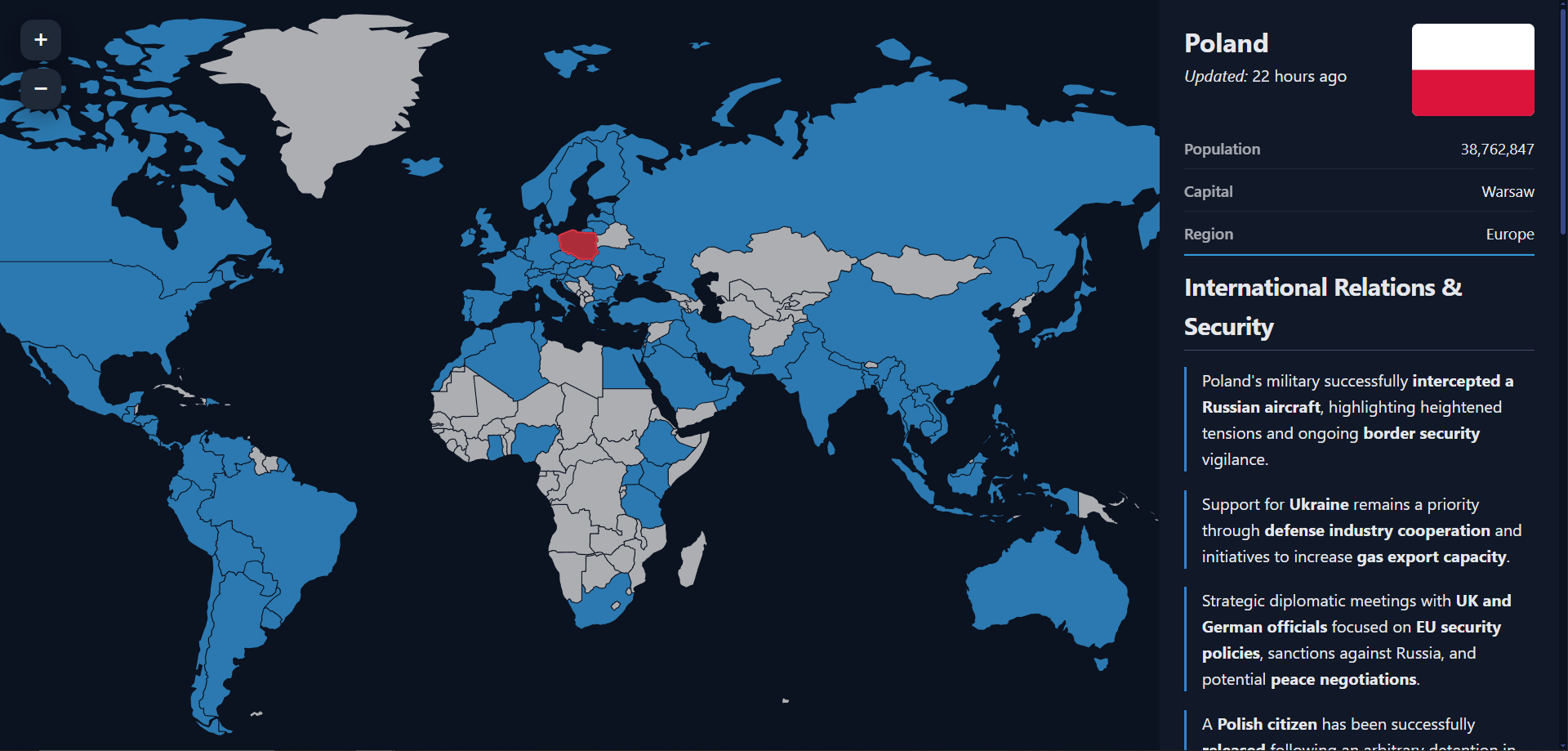
World News Map
Who owns La República?
The outlet is owned by Grupo La República Publicaciones, a major media conglomerate primarily controlled by the Mohme family. Its operations are funded through a combination of traditional print circulation sales, digital subscriptions, and commercial advertising revenue, serving as the main competitor to the dominant El Comercio media group.